


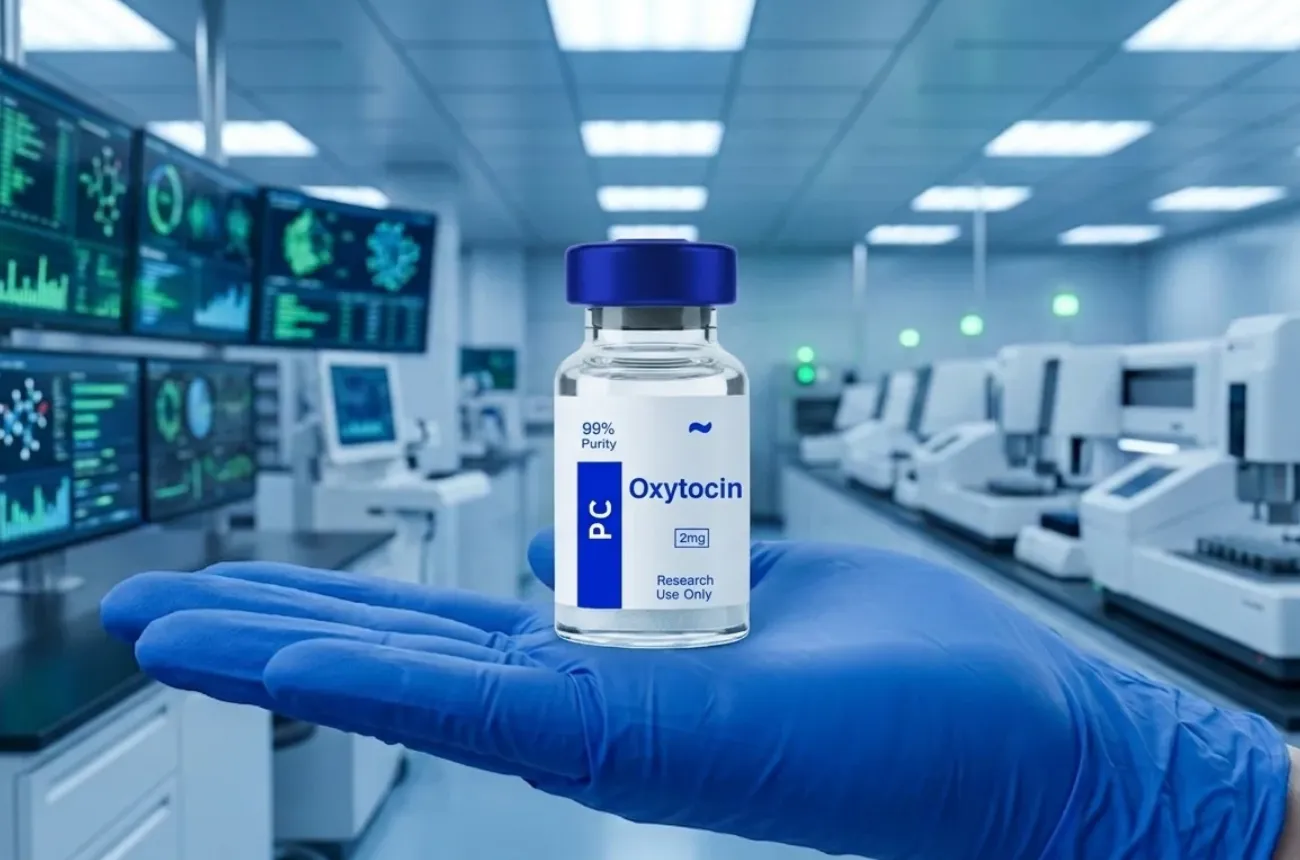
In peptide research, purity is not just a quality metric—it’s a necessity. Even minor impurities can compromise experimental results, leading to inaccurate conclusions and wasted resources.
What Does Peptide Purity Mean?
Peptide purity refers to the percentage of the desired peptide sequence present in a sample. High-quality peptides typically exceed 98–99% purity, ensuring reliable outcomes.
Why Purity Matters
Low-purity peptides can:
- Introduce unwanted variables
- Affect reproducibility
- Skew data interpretation
For researchers, consistency is everything—and purity ensures that.
Testing and Verification
Reputable suppliers use advanced techniques such as:
- HPLC (High-Performance Liquid Chromatography)
- Mass Spectrometry
These methods confirm both purity and molecular accuracy.
cGMP Standards
Peptides manufactured under cGMP (Current Good Manufacturing Practice) conditions ensure:
- Consistency
- Safety
- Traceability
This is especially important for research institutions requiring validated materials.
Choosing a Reliable Supplier
When sourcing peptides, look for:
- Verified lab testing
- Transparent documentation
- Consistent batch quality
Conclusion
High-purity peptides are essential for credible research. Investing in quality materials ensures accurate, reproducible, and meaningful results.